

Counselor Joe Expands Clinical Observations on Litigation Stress, and High-Conflict Custody Disputes
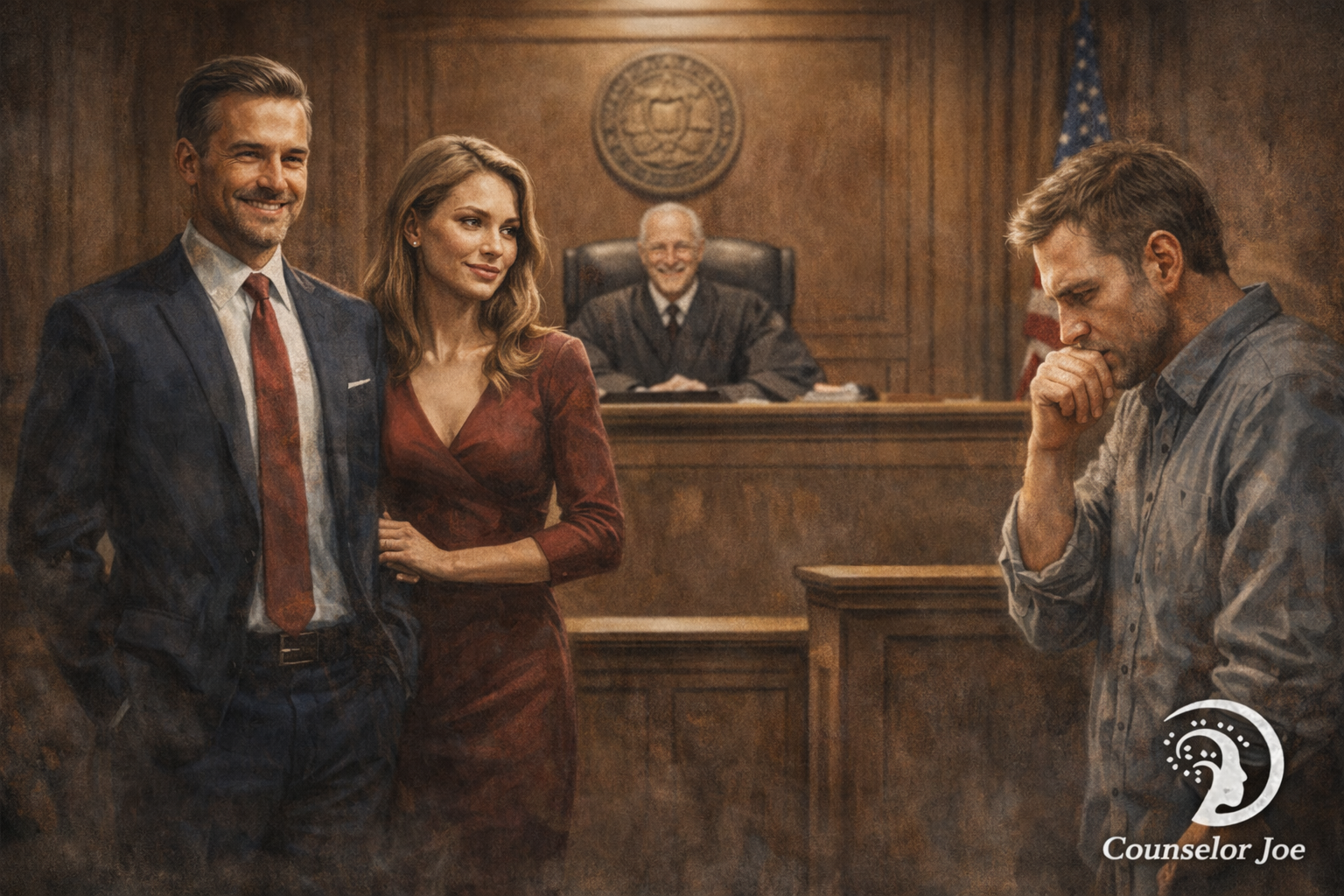
Does the legal system view Pro Se on the same grounds as Attorney represented?

Joseph Hayes MS,LPC,NCC.
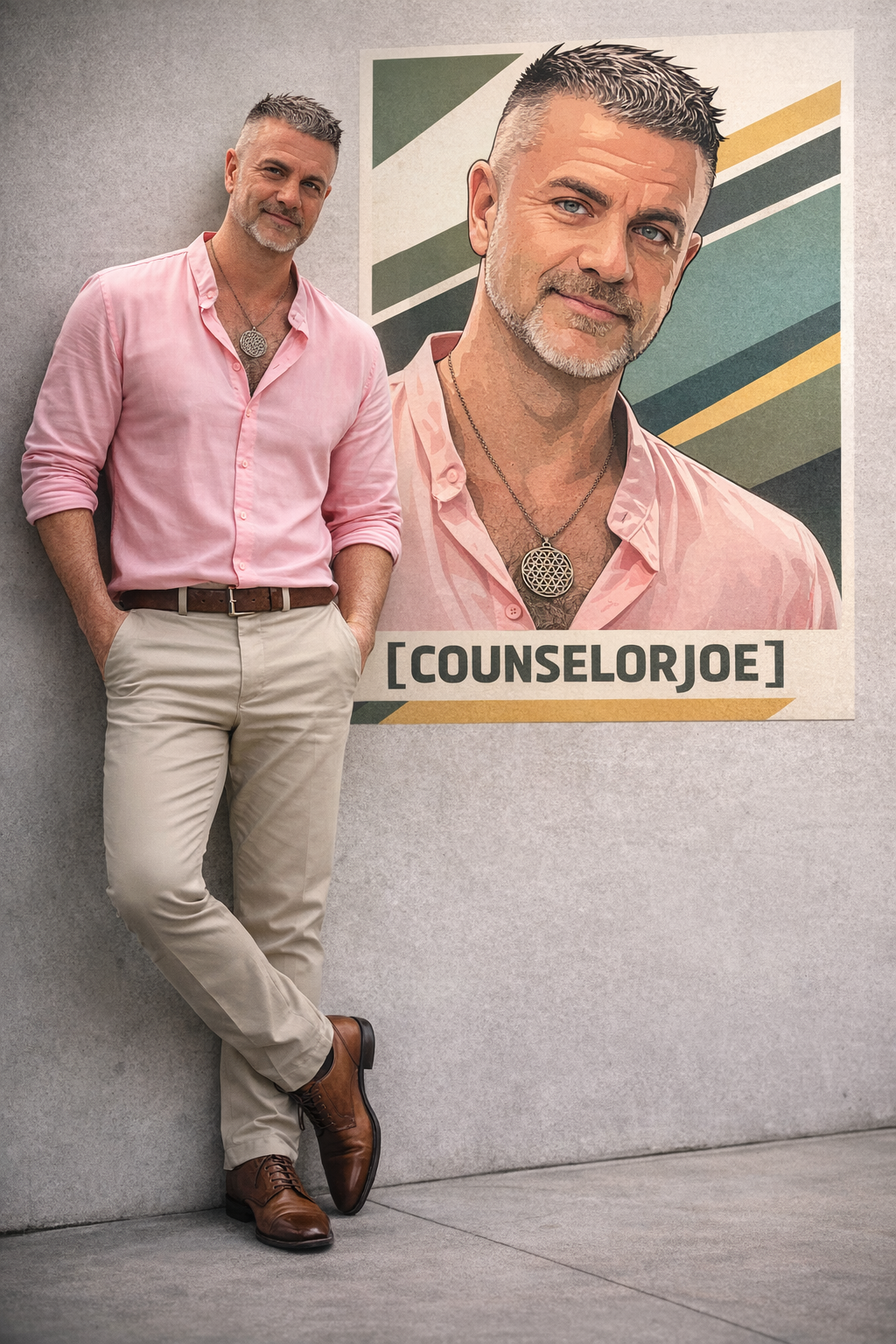
"Counselor Joe" Joseph Hayes MS,LPC,NCC.
When the Process Feels One-Sided: Counselor Joe Expands Clinical Observations on Litigation Stress, and Psychological Shutdown in High-Conflict Disputes
“Sometimes the deepest injury is not only the conflict itself,” Hayes explains, “but the growing realization that the person with the attorney is being heard through a structured voice, while the person in distress is left trying to explain pain inside a system that responds more easily to polish than overwhelm.”
Hayes says one of the most painful realities for some individuals is that legal conflict does not end in the courtroom. In many cases, the psychological effects continue well after the hearing is over.
“One party may leave a hearing and move on with their day,” Hayes said. “The other may leave in a state of emotional collapse, panic, shutdown, hypersensitivity, agitation, or severe internal distress that lingers for hours, days, or longer.”
According to Hayes, this type of ongoing strain can change behavior in ways that are often misunderstood by others.
“After repeated exposure to conflict, pressure, and perceived power imbalance, a person’s behavior may begin to regress or change,” he said. “They may stop doing things they used to do. They may withdraw into their home, stop socializing, avoid calls, avoid public places, and begin living in a narrowed emotional world organized around fear, exhaustion, and survival.”
Hayes notes that some individuals become so overwhelmed by the process that they no longer appear to be fighting for what matters to them in the same way.
“In some cases, the person does not stop caring,” he said. “They simply become so depleted that they want it to stop, even if that means walking away from something they believe is right. Clinically, that can reflect emotional overload, trauma exhaustion, or even the beginnings of learned helplessness.”
He explains that when a person begins to feel that nothing they do changes the outcome, hopelessness can deepen.
“That is one of the saddest parts,” Hayes said. “A person may begin the process trying to speak up, advocate, and hold on. But over time, repeated stress, unanswered concerns, financial pressure, and perceived imbalance can wear them down until avoidance feels easier than continued exposure.”
Hayes also highlights the often-overlooked impact of financial barriers, particularly in custody-related proceedings.
“One party may already be struggling to afford legal representation,” he said. “Then they may be ordered into professional evaluations or services with substantial cost. For someone who cannot afford an attorney, being faced with additional requirements costing hundreds or thousands of dollars can intensify the feeling that the process is beyond their reach.”
He adds that this can create a powerful perception that the system, by its very operation, is harder on the party without resources.
“Even if no one explicitly intends harm, the lived experience for the pro se individual may be that the process feels more accessible, more responsive, and more manageable for the represented side,” Hayes said. “That repeated experience can have real psychological consequences.”
Hayes says it is not uncommon for emotionally distressed individuals to report that their motions seem to go unnoticed while the represented party’s requests appear to receive quicker attention, scheduling, or accommodation.
“From a clinical standpoint, the repeated optics matter,” he said. “When one side appears organized, heard, and procedurally carried forward, while the other feels overwhelmed and unseen, the person under strain may begin to internalize that they are losing not only the case, but their ability to function inside the process.”
According to Hayes, individuals with trauma histories, anxiety disorders, mood instability, or other mental health vulnerabilities may experience especially severe reactions after hearings or contentious legal interactions.
“A hearing can become a trigger,” he said. “Afterward, a person may experience panic, insomnia, emotional flooding, hypersensitivity, racing thoughts, depressive shutdown, or other forms of destabilization. In some individuals, acute stress may aggravate manic symptoms, intensify reactivity, or cause sharp changes in mood and functioning.”
He stresses that these responses should not automatically be interpreted as character flaws or signs of unreliability.
“The system often responds well to clarity, composure, and structure,” Hayes said. “But trauma can disrupt all three. A person who becomes quiet, disorganized, emotionally reactive, or avoidant may not be less truthful or less invested. They may simply be operating at the edge of psychological capacity.”
Hayes says one of the greatest risks is that survival-based behavior is then misread.
“What looks like withdrawal may be protection. What looks like passivity may be exhaustion. What looks like avoidance may be the nervous system trying to escape what it experiences as threat,” he said.
He reiterates that his comments are clinical observations, not legal conclusions about any particular case, court, or attorney. His goal, he says, is to increase awareness of the mental health impact that prolonged legal conflict can have on vulnerable individuals.
“This is not about attacking the legal system,” Hayes said. “It is about recognizing that two people can stand in the same courtroom and experience two very different realities. When one has support, structure, and resources, and the other is struggling just to hold themselves together, behavior alone does not tell the full story.”
“In high-conflict situations, the question is not always who presents better,” Hayes added. “Sometimes it is who is still able to function under the weight of it.”
About Counselor Joe
Joseph Hayes, MS, LPC, NCC, is a Licensed Professional Counselor in Texas, a National Certified Counselor, and an EMDRIA Certified EMDR Therapist. He has more than 25 years of experience working with adults and veterans, with a focus on trauma, anxiety, and stress-related conditions. He practices in Mount Pleasant, Texas.
Media Contact:
Joseph Hayes, MS, LPC, NCC
Counselor Joe
www.counselorjoe.com
Joseph Hayes MS,NCC,LPC
Joseph Hayes MS,NCC,LPC
email us here
Visit us on social media:
Facebook
YouTube
Make Peace with the Mind Part 2
Legal Disclaimer:
EIN Presswire provides this news content "as is" without warranty of any kind. We do not accept any responsibility or liability for the accuracy, content, images, videos, licenses, completeness, legality, or reliability of the information contained in this article. If you have any complaints or copyright issues related to this article, kindly contact the author above.
