

AndaSeat Spring Focus: X-Air and Xtreme Series Reflect Seasonal Shift Toward Breathable, Flexible Workspaces
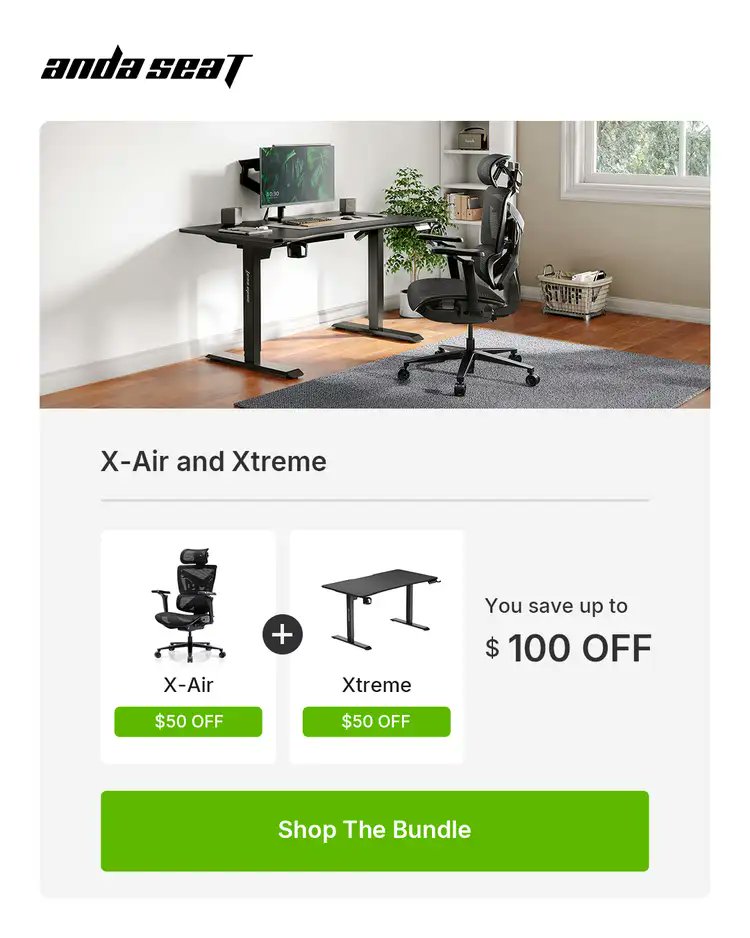
2026 Spring Sales Xtreme Series Desk X-air Chair
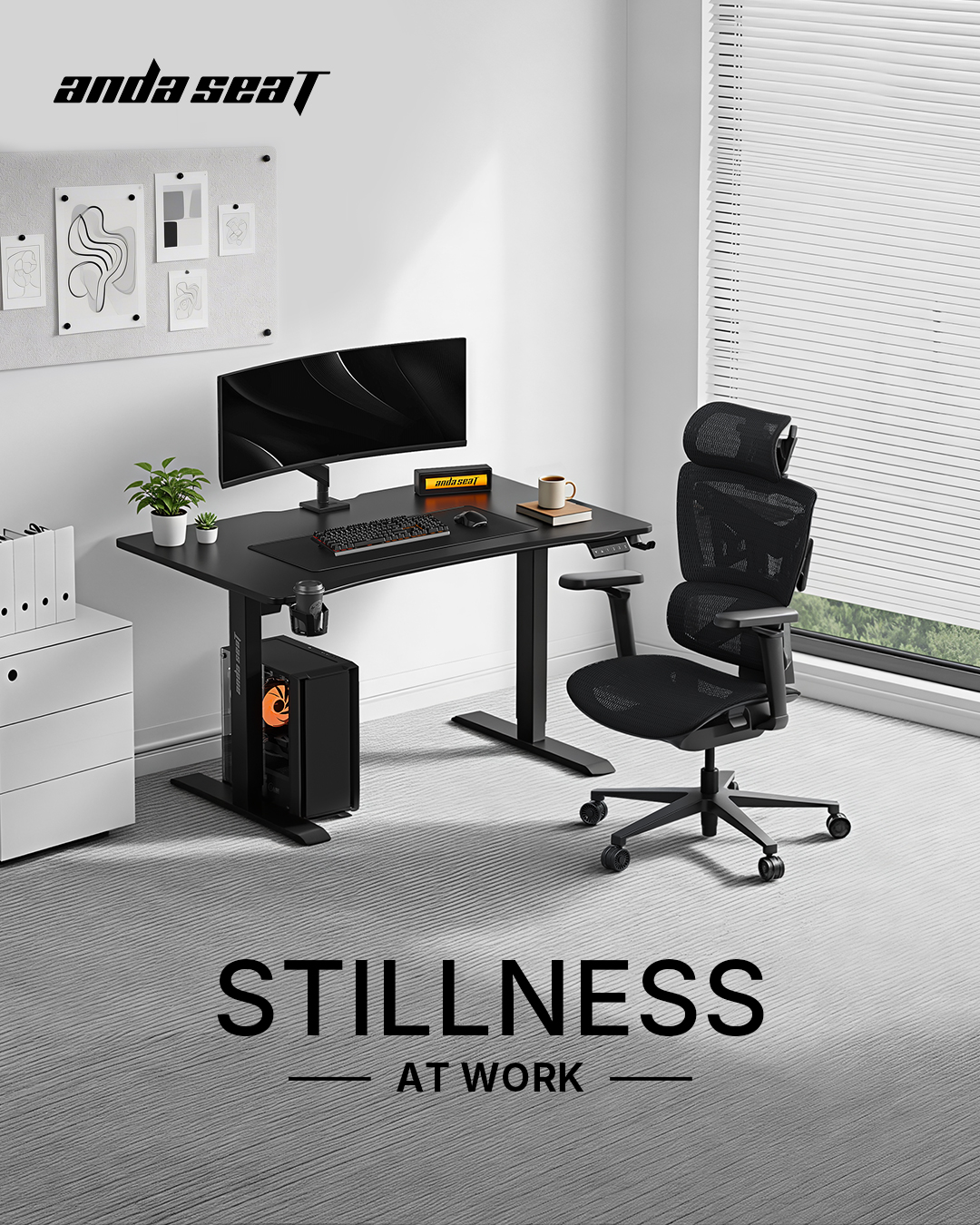
Xtreme Series Desk & X-air Chair

X Feature
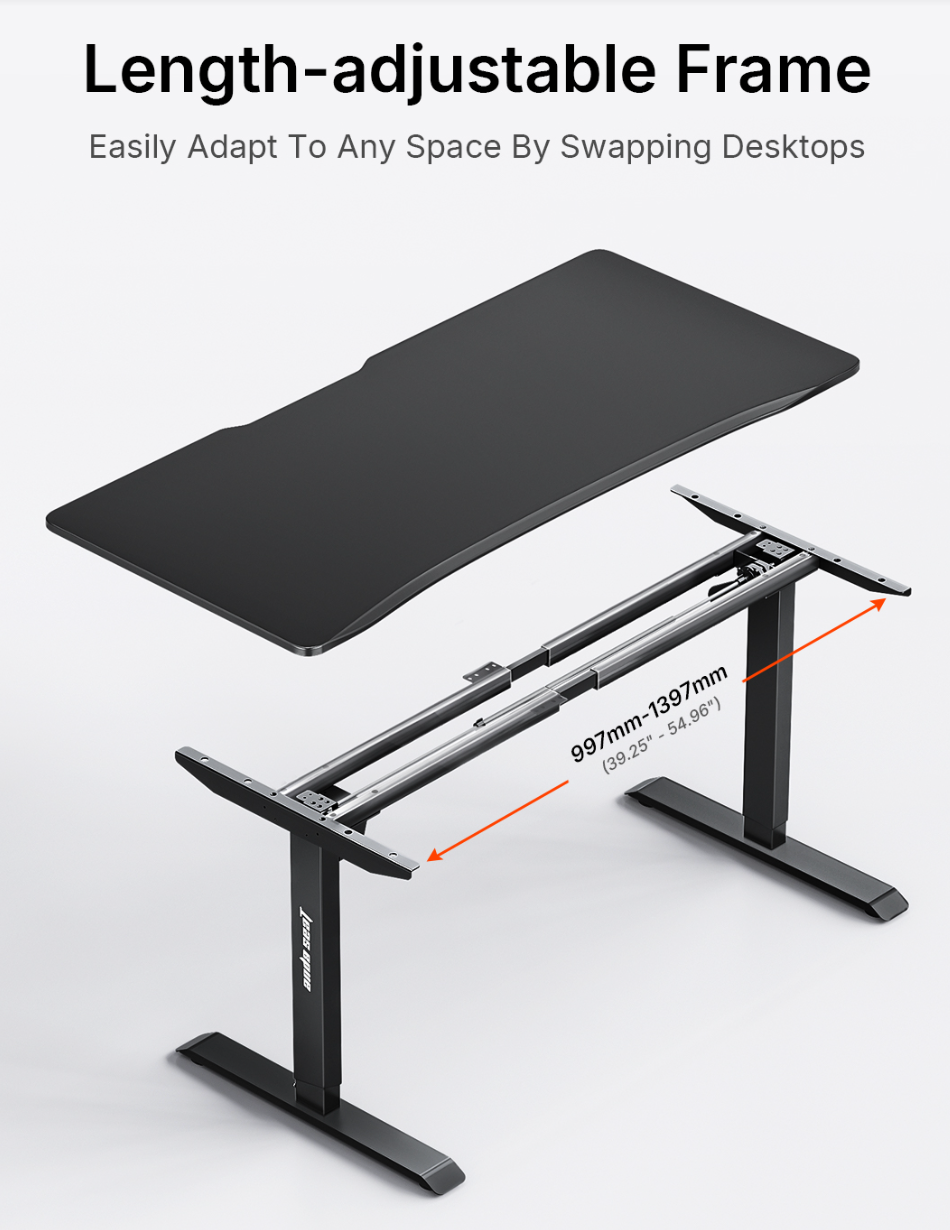
Xtreme Desk Feature Length Ajustment
AndaSeat Spring Focus: X-Air and Xtreme Series Reflect Seasonal Shift Toward Breathable, Flexible Workspaces
SPOKANE, WA, UNITED STATES, March 3, 2026 /EINPresswire.com/ -- As seasonal transitions influence interior environments, furniture preferences often shift in parallel. With the arrival of spring, consumers tend to reassess not only the visual character of their spaces but also thermal comfort, material choice, and airflow within frequently used rooms.Recent home lifestyle studies conducted across North America and Europe indicate that nearly 65 percent of respondents report adjusting home furniture or décor during spring months, citing improved natural light, ventilation, and renewed organizational habits as primary motivations. Among these updates, workstations rank prominently, particularly in homes where remote work and gaming coexist.
Within this context, AndaSeat’s current spring focus has highlighted the pairing of the X-Air mesh ergonomic chair with the Xtreme Series standing desk. Rather than presenting the combination as a promotional configuration, the pairing reflects a broader seasonal trend toward breathable materials and adaptable workstation structures.
Seasonal Material Preferences and Airflow Awareness
Consumer research from 2024–2025 suggests that temperature perception significantly influences furniture selection. As warmer months approach, users show increased interest in breathable surfaces, lightweight frames, and materials that reduce heat retention.
Traditional foam-heavy seating solutions, while structurally supportive, can retain warmth during extended sessions. Mesh-based seating, by contrast, allows air circulation across the back and seat surfaces, aligning with seasonal comfort expectations.
The X-Air ergonomic chair incorporates a full mesh construction across the backrest, seat, and headrest. Designed with tension-balanced mesh fabric tested for durability, the structure supports airflow without sacrificing spinal alignment.
As spring encourages more open-window environments and natural ventilation, breathable seating becomes not only a comfort preference but a functional consideration.
Mesh Seating in Multi-Hour Use Environments
Work-from-home patterns continue to shape ergonomic decision-making. Data from hybrid work studies show that more than half of remote users spend at least six hours per day seated at a primary workstation.
In warmer months, thermal buildup becomes a noticeable contributor to discomfort. Mesh-based seating has increasingly been evaluated not only for ergonomic contouring but for temperature regulation.
The X-Air chair integrates a C-shaped dynamic lumbar system built directly into the mesh backrest. This system responds to subtle posture shifts while maintaining airflow across the spine area.
Rather than relying on detachable cushions, the integrated design reduces material layering and supports continuous ventilation throughout extended use.
Spring Lightness and Visual Openness
Interior design surveys consistently indicate that consumers prefer lighter visual profiles during spring. Clean lines, open frames, and reduced visual bulk contribute to a sense of spatial renewal.
The X-Air chair’s thin-profile silhouette and visible mesh structure align with this aesthetic shift. Compared to heavier upholstered designs, mesh seating introduces transparency and visual lightness, allowing rooms to feel less enclosed.
When paired with the Xtreme Series standing desk, the overall configuration maintains a restrained presence. The desk’s minimalist T-frame and neutral surface options complement the chair’s open design.
Together, the pairing supports seasonal refresh cycles without introducing visual density into shared living spaces.
Adaptability in Transitional Routines
Spring often marks transitional schedules, including academic changes, flexible work hours, and evolving gaming habits. Furniture that supports varied routines becomes particularly relevant during these periods.
The Xtreme Series provides an electric height adjustment range from 28.7 inches to 46.1 inches, enabling seated and standing tasks within a single footprint. Behavioral ergonomics research suggests that users are more likely to incorporate standing intervals when transitions are smooth and predictable.
The X-Air chair complements this adaptability by offering 4D armrests, a multi-angle headrest, and a responsive lumbar structure. As users alternate between focused work and gaming sessions, the seating system adjusts accordingly.
Rather than treating spring updates as purely cosmetic, the pairing reflects an emphasis on functional flexibility aligned with seasonal lifestyle adjustments.
Quiet Operation in Open-Window Environments
Warmer months often bring increased use of open windows and shared household spaces. In such environments, furniture noise can become more noticeable.
The Xtreme Series operates below 50 decibels during height adjustments, minimizing disruption during calls or gaming sessions. In combination with the lightweight mesh construction of the X-Air, the overall setup maintains a quiet, unobtrusive presence.
Research indicates that quieter adjustment mechanisms correlate with more consistent sit-stand usage in residential settings. Reduced operational noise supports natural posture variation without drawing attention to the mechanism itself.
Stability and Breathability as Complementary Priorities
Stability remains a defining factor in standing desk satisfaction. The Xtreme Series employs a cold-formed steel T-frame designed to maintain rigidity across its full adjustment range. With a distributed load capacity of 70 kilograms, it accommodates dual-monitor and gaming configurations common in hybrid environments.
Meanwhile, the X-Air chair supports seated posture through a tension-calibrated mesh system designed for long-term structural resilience. Together, stability and breathability form complementary elements within a cohesive workspace.
Rather than competing priorities, these features respond to seasonal needs for both airflow and structural reliability.
A Broader Market Evolution
The growing emphasis on breathable materials during seasonal transitions reflects a maturing ergonomic market. Consumers are increasingly attentive to environmental variables such as temperature, ventilation, and visual density.
Spring refresh cycles amplify these considerations. Furniture selected during this period often remains in place throughout the year, making initial comfort and integration especially important.
The X-Air and Xtreme Series pairing illustrates how workstation components can respond simultaneously to seasonal comfort preferences and long-term ergonomic requirements.
Spring Timing and Consumer Awareness
While seasonal events can influence purchasing behavior, the underlying shift toward breathable, adaptable furniture predates any specific sales cycle. Research suggests that users are becoming more selective about how materials interact with climate and daily use patterns.
The pairing of mesh seating with a stable sit-stand desk aligns with this heightened awareness. Rather than treating spring updates as temporary, the configuration reflects broader trends in material selection and workspace planning.
About AndaSeat
AndaSeat develops ergonomic seating and workstation solutions designed for gaming, professional, and hybrid environments. Its product portfolio includes adjustable desks and mesh-based seating systems intended to support sustained daily use across varied scenarios.
Caroline Chen
AndaSeat
+ + 86 139 2232 2347
email us here
Visit us on social media:
LinkedIn
Instagram
Facebook
YouTube
TikTok
X
Legal Disclaimer:
EIN Presswire provides this news content "as is" without warranty of any kind. We do not accept any responsibility or liability for the accuracy, content, images, videos, licenses, completeness, legality, or reliability of the information contained in this article. If you have any complaints or copyright issues related to this article, kindly contact the author above.
